


Hair Regrowth Treatment for Men
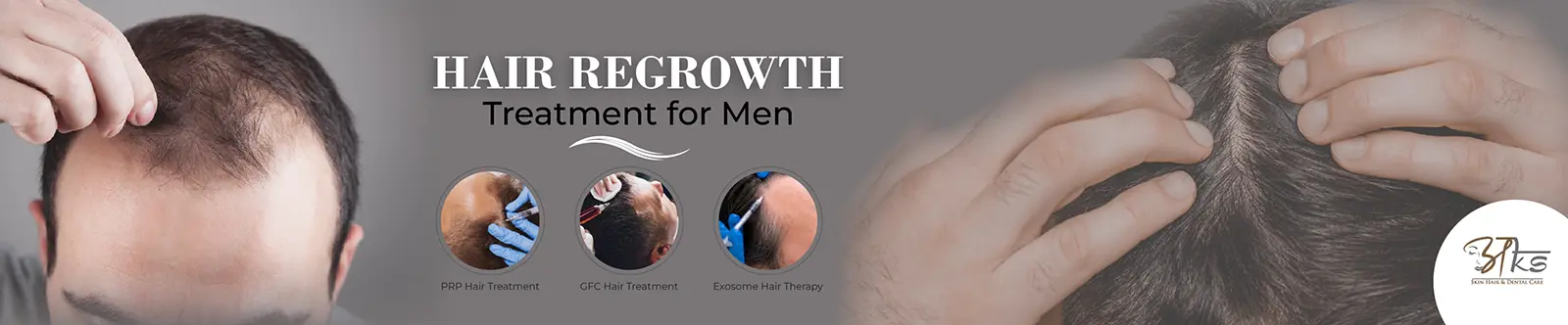
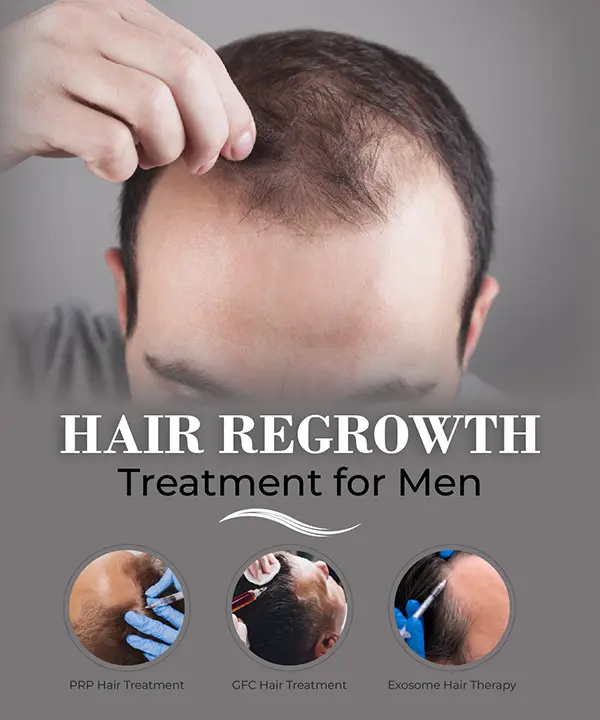
Hair loss in men often starts with a receding hairline, thinning at the temples, reduced density on the crown, or more hair fall than usual while bathing and combing. In the early stage, these changes may look minor. Over time, however, the scalp can become more visible and the hairline may move further back.
The right hair regrowth treatment for men should begin with a proper diagnosis. Random oils, shampoos, supplements, and home remedies may not help if they do not address the real reason behind the hair loss At AKS Clinic, the doctor checks your scalp, hairline, crown, hair density, donor area, medical history, and family pattern before suggesting a treatment plan.
This helps determine whether your follicles are weak but active, gradually shrinking, or no longer producing hair.
Why Do Men Lose Hair?
Male hair loss can happen for several reasons. Genetics remains one of the most common causes, but it is not the only one.
Other reasons may include:
- Male pattern baldness
- Hormonal sensitivity
- Family history of hair loss
- Stress and poor sleep
- Nutritional deficiencies
- Sudden weight loss
- Illness or high fever
- Dandruff and scalp inflammation
- Certain medicines
- Smoking and poor lifestyle habits
- Autoimmune or patchy hair-loss conditions
Because the cause differs from person to person, the same treatment cannot work for everyone. A proper hair and scalp assessment helps the doctor choose the most suitable option.
Common Signs of Hair Loss in Men
Hair loss usually develops slowly. Many men only notice it when the scalp becomes clearly visible or the hairline changes shape.
You may need a hair consultation if you notice:
- Hairline moving backwards
- Thinning around the temples
- Reduced density on the crown
- A wider or more visible scalp area
- Excessive shedding while washing
- Fine, weak, or shorter hair strands
- Slow hair growth
- Patchy bald spots
- Reduced overall hair volume
These signs do not always mean that you need surgery. Men with active follicles may still benefit from medical or non-surgical hair-loss treatment.
Detailed Hair and Scalp Assessment
A reliable male hair loss treatment starts with understanding the stage and pattern of hair loss.
During the consultation, the doctor may check:
- The amount of hair already lost
- The areas that are thinning
- The strength and condition of existing follicles
- The stage of male pattern baldness
- Scalp health and signs of dandruff or infection
- Family history of baldness
- The quality of the donor area
- Whether hair loss is stable or progressing
- Whether non-surgical treatment can help
- Whether a hair transplant may be required
The doctor may also suggest blood tests when nutritional, thyroid, hormonal, or medical concerns are suspected.
Hair Regrowth Treatments Available for Men
The treatment plan depends on the condition of your follicles. Men with early or moderate thinning may benefit from non-surgical care. Men with permanent bald areas may need a hair transplant.
PRP Hair Treatment for Men
PRP hair treatment uses platelet-rich plasma prepared from the patient’s own blood. The prepared plasma is placed into selected thinning areas of the scalp.
Doctors may recommend PRP for men with early hair loss, weak roots, reduced density, or thinning around the crown. It aims to support existing follicles and improve the condition of the hair already present.
PRP does not create new follicles in completely bald areas. It works best when the roots are still active.
GFC Hair Treatment
GFC stands for Growth Factor Concentrate. This treatment uses concentrated growth factors taken from the patient’s blood.
The solution is applied to thinning areas to support weak follicles and improve the scalp environment. GFC hair treatment may suit men who have noticeable thinning but have not yet developed large permanent bald patches.
The number of sessions depends on the stage of hair loss and the response of the follicles.
Exosome Hair Treatment
Exosome hair therapy may be considered for selected cases of male hair thinning. It aims to support the area around weakened follicles and improve scalp condition.
This treatment does not suit every patient. The doctor should first assess the cause, pattern, and stage of hair loss before recommending it.
Medicines and Scalp Care
Some men may need prescription medicines, topical scalp applications, medicated shampoos, or nutritional support.
These options may help when hair loss is linked to male pattern baldness, scalp inflammation, dandruff, or nutritional deficiency. The treatment must follow medical advice because the same medicine may not suit every person.
Self-medication can delay proper diagnosis and may lead to unwanted side effects.
When Is a Hair Transplant Needed?
Non-surgical treatments can support active follicles, but they cannot restore hair in areas where the roots have permanently stopped producing hair.
A hair transplant for men may be suitable when:
- The hairline has receded permanently
- Baldness is stable
- The crown has a clear bald patch
- The temples have lost significant density
- Non-surgical treatment cannot restore coverage
- The donor area has enough healthy hair
- The patient has realistic expectations
During the procedure, healthy follicles are taken from the donor area, usually the back or sides of the scalp, and placed into the thinning or bald region.
The doctor plans the hairline according to the patient’s age, face shape, existing hair, donor strength, and future pattern of hair loss. Careful placement helps create a balanced and natural-looking result.
At AKS Clinic, the donor area is assessed before surgery to decide how many grafts can be safely taken without making the back of the scalp look thin.
What Results Can You Expect?
Hair regrowth takes time. No genuine treatment can produce a full head of thick hair within a few days.
Depending on the treatment and the stage of hair loss, patients may notice:
- Reduced hair shedding
- Better scalp condition
- Stronger-looking strands
- Improved hair texture
- Better crown coverage
- Improved density
- A more defined hairline after transplant
Results vary from person to person. Genetics, age, scalp health, donor quality, nutrition, treatment regularity, and the stage of hair loss all affect the outcome.
Non-surgical treatments aim to support existing follicles. A transplant uses healthy donor follicles to cover areas where natural regrowth is no longer possible.
Why Men Choose AKS Clinic
Choosing the right hair clinic matters because successful treatment depends on diagnosis, planning, and realistic expectations.
At AKS Clinic, patients receive:
- A detailed scalp and hair evaluation
- A treatment plan based on the cause of hair loss
- Medical and non-surgical hair-restoration options
- Hair-transplant planning based on donor strength
- Clear guidance about expected results
- Pre-treatment and post-treatment instructions
- Regular progress reviews
- Honest advice about treatment limitations
The doctor explains what can improve, how long the process may take, and whether non-surgical care or a direct hair transplant is more suitable.
The focus stays on protecting existing hair, supporting weak follicles, and creating natural-looking improvement.
Book a Hair Consultation at AKS Clinic
Hair loss becomes harder to manage when weak follicles remain untreated for a long time. Early assessment may help protect active roots and slow further thinning.
If you have noticed a receding hairline, crown thinning, patchy hair loss, or reduced density, book a consultation at AKS Clinic. The doctor will assess your current hair condition and suggest a suitable hair regrowth treatment for men instead of offering the same fixed package to every patient.
Frequently Asked Questions
Can men regrow lost hair?
Hair may become stronger and thicker when the follicles are still active. Completely inactive follicles usually cannot produce new hair without a transplant.
Which treatment is best for male hair loss?
The best treatment depends on the cause, pattern, and stage of hair loss. The doctor may suggest medicines, PRP, GFC, scalp care, or a hair transplant.
Can early hair loss be treated without surgery?
Yes. Early-stage thinning may respond to medical treatment, PRP, GFC, nutritional correction, and scalp care.
How long does hair regrowth treatment take?
Most treatments need several months before visible changes appear. The exact timeline varies according to the treatment and condition of the follicles.
Is a hair transplant permanent?
Transplanted follicles usually provide long-lasting growth when the donor hair is healthy and the procedure is properly planned.
Is PRP effective for men?
PRP may help men with early or moderate thinning when the hair roots are still active. It does not restore hair in completely bald areas.
When should I consult a hair specialist?
You should seek advice when you notice ongoing shedding, a receding hairline, thinning at the crown, patchy hair loss, or visible scalp.