


Hair Regrowth Treatment for Women

Hair thinning in women often starts quietly. You may notice a wider hair part, less volume around the crown, a thinner ponytail, or more strands falling during washing and brushing. These changes can happen due to hormonal shifts, stress, nutritional deficiencies, PCOS, thyroid problems, childbirth, menopause, genetics, or certain medical conditions.
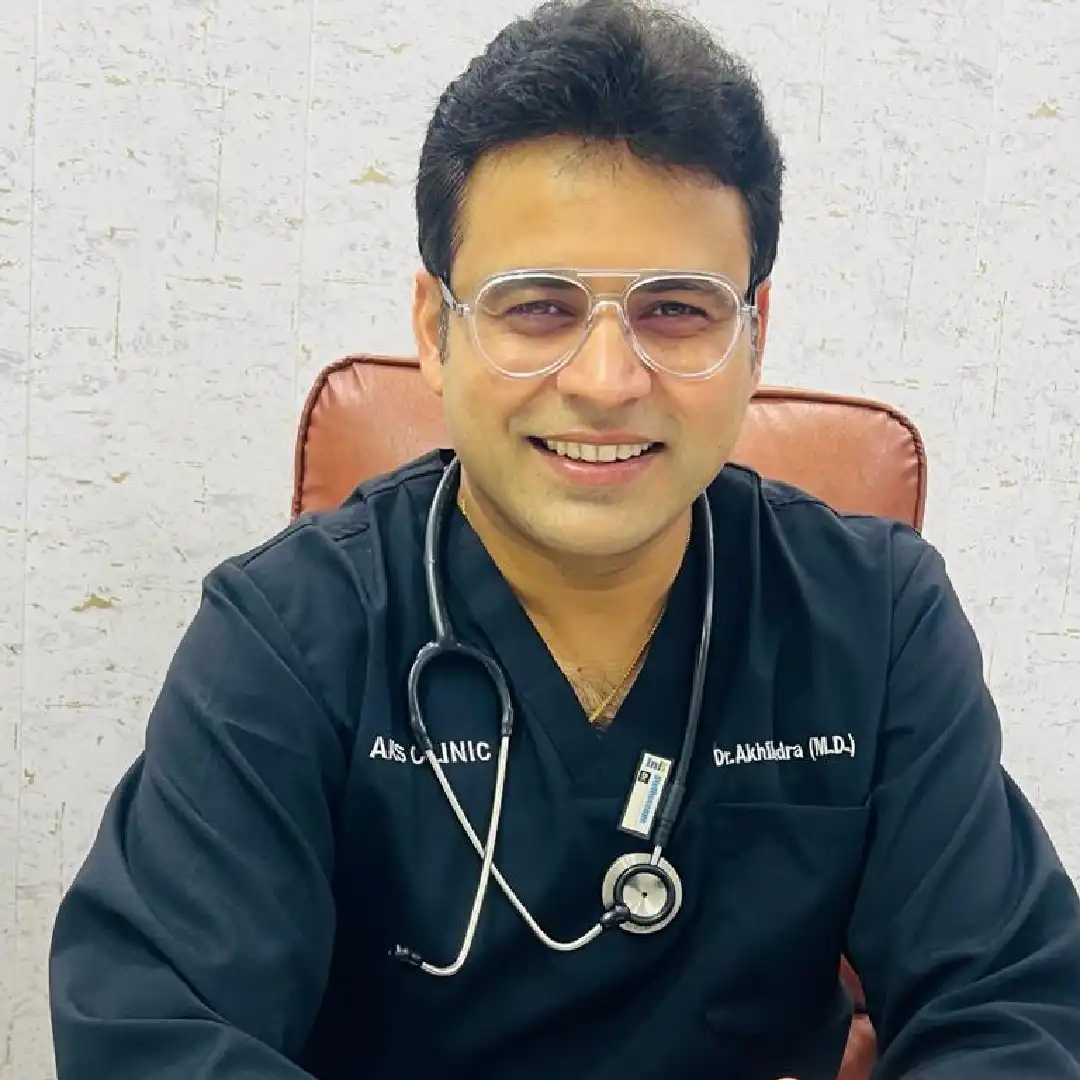
The right hair regrowth treatment for women begins with finding the reason behind the hair loss. At AKS Clinic, the treatment process starts with a detailed scalp and hair assessment. The doctor checks your hair-loss pattern, scalp condition, medical history, lifestyle, and donor area before suggesting medical care, regenerative hair treatment, or a female hair transplant.
Common Signs of Hair Loss in Women
Female hair loss does not always cause a completely bald area. In many cases, the hair becomes thinner over time while the hairline remains partly intact.
You may need a hair specialist’s opinion if you notice:
- A widening centre or side parting
- Reduced hair volume around the crown
- Increased hair shedding for several weeks
- A thinner ponytail
- Visible scalp under bright light
- Thinning near the temples or front hairline
- Slow hair growth or weak strands
- Small or clearly defined bald patches
Early diagnosis matters because treatment may work better while the hair follicles are still active.
What Causes Hair Thinning in Women?
There is no single reason behind every case of female hair loss. Some women develop temporary shedding, while others experience gradual thinning that needs long-term care.
Common causes include:
- Female pattern hair loss
- Hormonal imbalance
- Polycystic ovary syndrome, or PCOS
- Thyroid conditions
- Low iron, vitamin D, vitamin B12, or protein levels
- Pregnancy and postpartum hair loss
- Menopause
- Emotional or physical stress
- Sudden weight loss or restrictive dieting
- Family history of hair thinning
- Tight hairstyles and repeated pulling
- Certain medicines or medical conditions
A proper diagnosis helps separate temporary shedding from progressive or permanent hair loss. It also prevents patients from wasting time on random oils, supplements, or salon treatments that may not address the actual cause.
Personalised Hair and Scalp Assessment
A suitable female hair loss treatment should be based on your condition, not on a standard package. During your consultation at AKS Clinic, the doctor may examine:
- The pattern and stage of thinning
- Hair density at the front, crown, and temples
- Scalp health, dandruff, irritation, or infection
- Recent illness, childbirth, stress, or hormonal changes
- Diet, sleep, medication, and hair-care habits
- Family history of hair loss
- The strength of the donor area
- Signs of active, weak, or permanently damaged follicles
The doctor may also advise medical tests when nutritional, thyroid, hormonal, or health-related causes are suspected.
Hair Regrowth Treatments for Women
The recommended treatment depends on the cause of hair loss and the condition of the follicles. Women with early-stage thinning may benefit from non-surgical care, while patients with stable and permanent hair loss may need a hair transplant.
Medical and Nutritional Hair-Loss Care
Some cases of hair fall improve only after the underlying health issue is addressed. If testing shows low iron, vitamin deficiency, thyroid imbalance, or another medical concern, the doctor may suggest suitable correction or refer you for further care.
Prescription medicines, topical applications, or supplements may also form part of the plan. These should only be taken under medical guidance, as the right option can differ for each patient.
PRP Hair Treatment for Women
PRP hair treatment uses platelet-rich plasma prepared from the patient’s own blood. The prepared plasma is placed into selected areas of the scalp.
Doctors may consider PRP for women with early hair thinning, weak follicles, reduced density, or excessive shedding. It is generally planned as a series of sessions, followed by maintenance when required.
PRP does not create new follicles in completely bald areas. Its role is to support existing follicles where they are still active.
GFC Hair Treatment
GFC hair treatment uses concentrated growth factors taken from the patient’s blood. The solution is applied to thinning areas of the scalp to support weak hair roots and improve the environment around existing follicles.
It may suit women experiencing gradual thinning, poor hair quality, or reduced density. The number and timing of sessions depend on the condition of the scalp and the doctor’s assessment.
Exosome Hair Therapy
Exosome hair therapy may be considered in selected cases of female hair thinning. It is used to support the scalp environment and weakened follicles.
This treatment may not suit every patient, and results can vary. The doctor should first assess the cause and stage of hair loss before recommending it as part of a wider hair-restoration plan.
When Is a Female Hair Transplant Recommended?
Non-surgical treatment cannot restore hair in an area where follicles have been permanently lost. A hair transplant for women may be considered when the hair loss is stable and the donor area has enough healthy follicles.
A female hair transplant may suit women with:
- Permanent thinning around the front hairline
- Stable hair loss near the temples
- Traction alopecia caused by repeated pulling
- A limited area of scarring
- A naturally high or uneven hairline
- A stable bald patch
- Sufficient healthy donor hair
During the procedure, healthy follicles are taken from a suitable donor area and placed into the thinning region. The doctor plans the angle, direction, spacing, and distribution to match the patient’s existing hair.
Women with ongoing diffuse thinning may not be suitable candidates. The doctor must first check whether the donor hair is strong enough and whether the hair loss has stabilised.
What Results Can You Expect?
Hair regrowth takes time because every follicle follows its own growth cycle. Some patients notice reduced shedding before they see an improvement in volume or density.
Results depend on:
- The cause and stage of hair loss
- Age and general health
- Scalp condition
- Treatment selected
- Regularity of sessions
- Response of the existing follicles
- Nutrition, sleep, stress, and daily hair care
PRP, GFC, medical care, and other non-surgical treatments aim to support existing hair. They cannot guarantee complete restoration or produce instant growth.
After a hair transplant, temporary shedding may occur before new strands begin to grow. Improvement appears gradually, and the final outcome takes several months.
Why Choose AKS Clinic for Women’s Hair Restoration?
AKS Clinic follows a diagnosis-first approach to women’s hair loss. The focus remains on understanding the cause, selecting a suitable treatment, and setting practical expectations.
Patients receive:
- A detailed scalp and hair evaluation
- A treatment plan based on the cause of thinning
- Surgical and non-surgical hair-restoration options
- Clear guidance about benefits and limitations
- Pre-treatment and post-treatment instructions
- Regular progress reviews
- Support for long-term hair-loss management
- A focus on natural-looking density and hairline design
The doctor also explains when a procedure may offer limited benefit. This helps patients make an informed choice without relying on exaggerated claims.
Book a Hair Consultation at AKS Clinic
Do not ignore ongoing shedding, a widening hair part, or visible scalp. Early assessment may help protect active follicles and prevent further thinning.
Book a consultation at AKS Clinic to understand the cause of your hair loss and explore a suitable hair regrowth treatment for women. Your plan may include medical care, PRP, GFC, exosome therapy, nutritional support, a female hair transplant, or a combination of treatments.
Frequently Asked Questions
What is the best hair regrowth treatment for women?
The best option depends on the cause and stage of hair loss. A scalp examination helps the doctor choose between medical care, PRP, GFC, other non-surgical options, or a hair transplant.
Can female hair loss grow back?
Hair may grow back when the follicles are active and the underlying cause is treated. Permanently damaged follicles usually cannot regrow hair without surgical restoration.
Is PRP hair treatment suitable for women?
PRP may suit women with early thinning or weak follicles. The doctor must check the scalp and hair-loss pattern before recommending it.
Can PCOS cause hair thinning?
Yes, hormonal changes linked to PCOS may contribute to hair thinning in some women. Treatment may require both medical and hair-loss management.
Is a hair transplant successful for women?
A hair transplant can offer lasting improvement in suitable candidates with stable hair loss and healthy donor hair. It is not recommended for every type of female hair loss.
How many hair treatment sessions are needed?
The number of sessions varies according to the chosen treatment, degree of thinning, and response of the follicles.
When should I consult a hair specialist?
Consult a specialist if shedding continues for several weeks, the hair part becomes wider, the scalp becomes visible, or bald patches begin to appear.