July 12, 2026
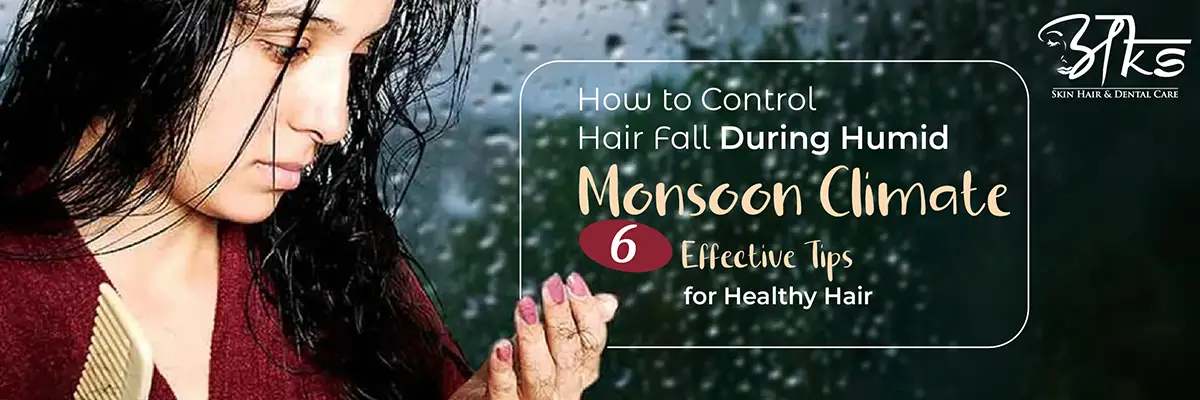
The monsoon season means cooler weather but also high humidity, sweat, rainwater and a constantly damp scalp that can make hair difficult to manage. You might notice more strands in the shower, increased frizz, an itchy scalp or hair breaking while combing.
To control monsoon hair fall, wash your scalp regularly, dry wet hair properly, avoid tight hairstyles, eat balanced meals and treat recurring scalp problems early. These habits reduce breakage and help maintain a healthier scalp.
Monsoon weather, however, is not responsible for all kinds of hair loss. Shedding or thinning can also be the result of genetics, stress, illness, hormonal changes, nutritional deficiencies and some medical conditions. Hair loss can develop gradually or appear suddenly, depending on its cause.
Here are six practical tips on how to control hair fall during a humid monsoon climate.
Humidity makes the hair absorb moisture from the air and this can leave it swollen, frizzy and tangled. Sweat and oil may also collect faster on the scalp. When people rub wet hair, brush through knots or tie damp hair tightly, the strands can break.
Damaged hair becomes fragile and breaks more easily. Regular rough handling may eventually make the hair look thinner.
Common monsoon hair problems include:
Finding the correct hair fall solution starts with understanding whether you have hair breakage, hair shedding or gradual thinning from the roots.
Sweat, oil, dust and styling products can build up quickly during humid weather. Wash your hair according to your scalp type rather than following a fixed schedule.
People with oily scalps may need to wash more frequently, while those with dry or curly hair may need longer gaps between washes. Choose a mild shampoo and massage it gently into the scalp with your fingertips.
Do not scratch your nails. Scratching can irritate the scalp and increase hair breakage.
Follow these simple steps:
Dermatologists recommend using a gentle shampoo and conditioner to reduce dryness, split ends and breakage.
Internal link opportunity: Link “scalp care” to a service page about dandruff treatment or scalp consulting.
Wet hair needs careful handling. Aggressive towel drying, brushing and pulling can weaken the strands.
After washing, press a soft cotton T-shirt or microfiber towel gently against the hair. Do not rub it back and forth. Let straight hair dry slightly before combing it. People with curly or textured hair may detangle it carefully while it remains damp and conditioned.
Use a wide-tooth comb. Start at the ends and work upward in small sections.
Example: If your hair gets tangled after travelling in the rain, do not pull a brush through it immediately. Rinse it, apply conditioner to the lengths and remove the knots slowly.
This habit offers a simple answer to how to reduce hair fall caused by physical breakage.
Rainwater may carry dust, smoke and other particles from the surroundings. When rainwater dries on the scalp, it can leave the hair sticky, rough or tangled.
After getting drenched:
Sleeping with wet hair can increase tangling and friction against the pillow.
| Monsoon Hair Mistake | Better Hair-Care Habit |
|---|---|
| Tying wet hair tightly | Let the roots dry first |
| Rubbing hair with a rough towel | Press gently with soft fabric |
| Leaving rainwater on the scalp | Rinse with clean water |
| Pulling a comb through knots | Detangle from the ends |
| Leaving heavy oil overnight | Apply a small amount before washing |
| Using high heat every day | Air-dry or use low heat |
Hair health depends on adequate nutrition. Low protein intake, crash dieting and certain nutritional deficiencies may contribute to increased shedding.
Include a mix of the following foods:
These are useful hair growth tips, but food does not produce instant regrowth. Hair grows slowly, so consistent habits matter more than short-term remedies.
Do not start iron, biotin or other supplements without medical advice. A doctor may recommend blood tests when symptoms suggest anaemia, thyroid problems or a nutritional deficiency.
Internal link opportunity: Add a link to an article on “foods for healthy hair growth.”
Many people use straighteners, dryers and styling products more often during monsoon because humidity makes hair frizzy. Repeated heat and chemical treatments can weaken the hair shaft.
To protect your hair:
Tight hairstyles which constantly pull on the roots can result in hair loss. Continued hair damage may also lead to thinning or bald areas.
These steps help people searching for how to prevent hair loss linked to heat, tension and rough styling.
Home care can reduce breakage, but it cannot treat every cause of hair loss. Consult a qualified doctor when you notice:
At AKS Clinic, the consultation may include an assessment of the scalp, hair density, thinning pattern, medical history, diet, recent stress, illness and family history. This helps the doctor understand whether you need scalp care, medical management or another form of hair loss treatment .
A suitable hair fall treatment depends on the cause. Treatment may include medicines, correction of an underlying health issue, procedural options or surgical treatment in selected cases.
Temporary shedding can also occur a few months after severe stress, fever, illness, surgery or a major physical change. This condition, known as telogen effluvium, often improves once the trigger settles, although proper assessment remains important.
Follow this basic daily and weekly plan:
The right answer to how to stop hair fall depends on the cause. Gentle hair care can help to prevent breakage but persistent thinning needs to be properly diagnosed.
Add the following visual elements to improve engagement:
Monsoon hair care does not need a long list of expensive products. Clean your scalp, handle wet hair gently, reduce heat exposure and maintain a balanced diet. These steps offer a practical hair fall solution for seasonal breakage and scalp discomfort.
But if you notice thinning, bald spots or continuous hair fall, it could be a sign of something else. A visit to AKS Clinic right away can help you discover the reason and get recommendations for the best treatment for you.
Keep the scalp clean, dry wet hair properly, avoid tight hairstyles and detangle gently.
Humidity usually increases frizz and breakage. Permanent hair loss often has another underlying cause.
You may apply a small amount before washing, but avoid leaving heavy oil on a sweaty scalp.
The right treatment depends on whether the cause is breakage, genetics, stress, deficiency or a scalp condition.
Book a consultation for sudden shedding, visible thinning, bald patches or hair fall that continues for several weeks.


